Woodland 1970 = 100
Specialists56.4
Generalists93.6
One symbol = one population-index point Source: Defra
Yes. Woodland and upland specialists have also declined much more than generalists. Specialists depend heavily on particular habitats, while generalists can live in a wider range of places.
One symbol = one population-index point Source: Defra.
No. The national averages conceal 117 different stories. Some species have collapsed. Others have more than doubled.
One symbol = one species. Hover or tap for details Source: Defra.
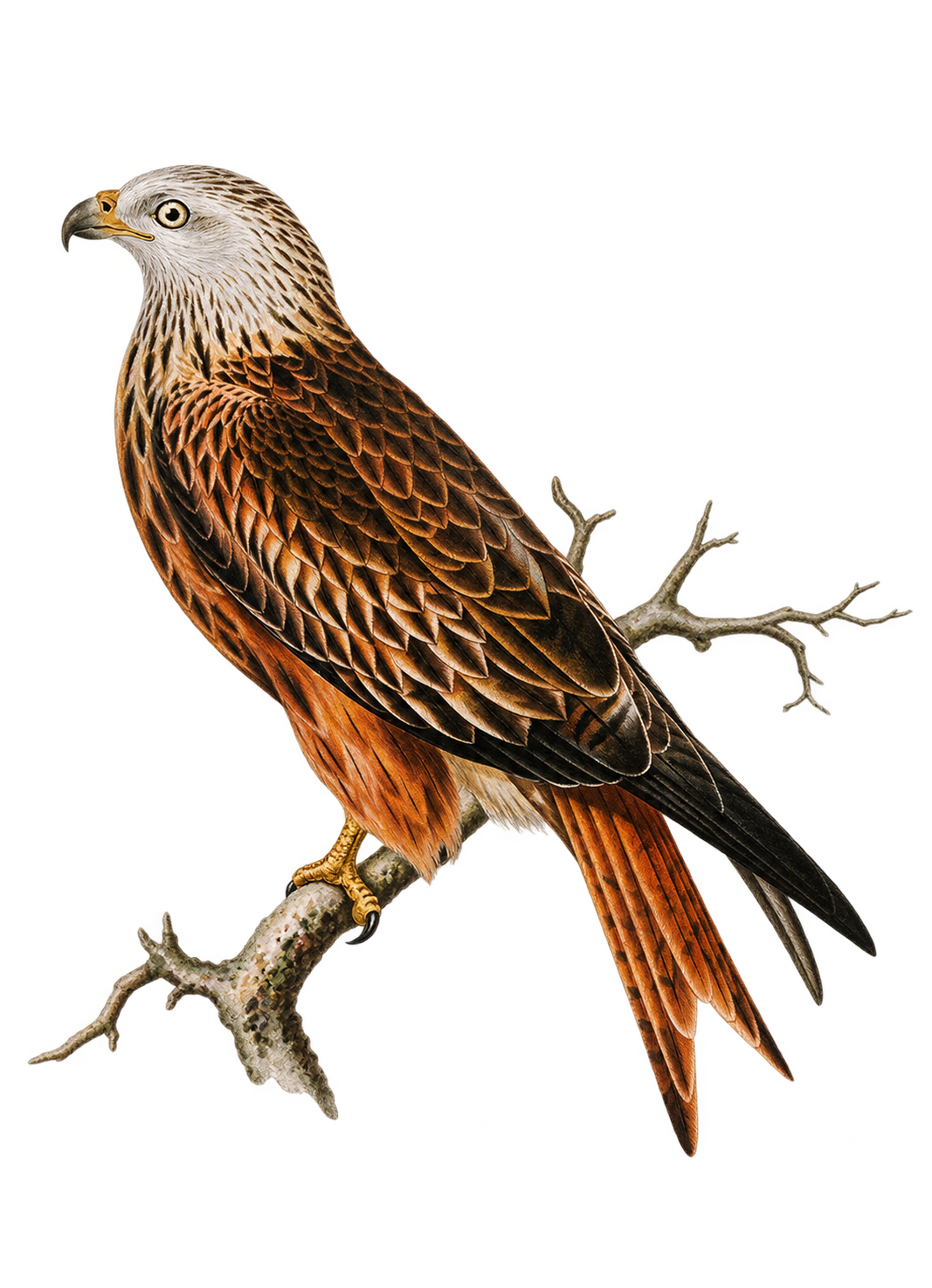
Reintroductions and sustained protection brought this bird of prey back after persecution pushed it close to extinction in Britain.
Source: BTO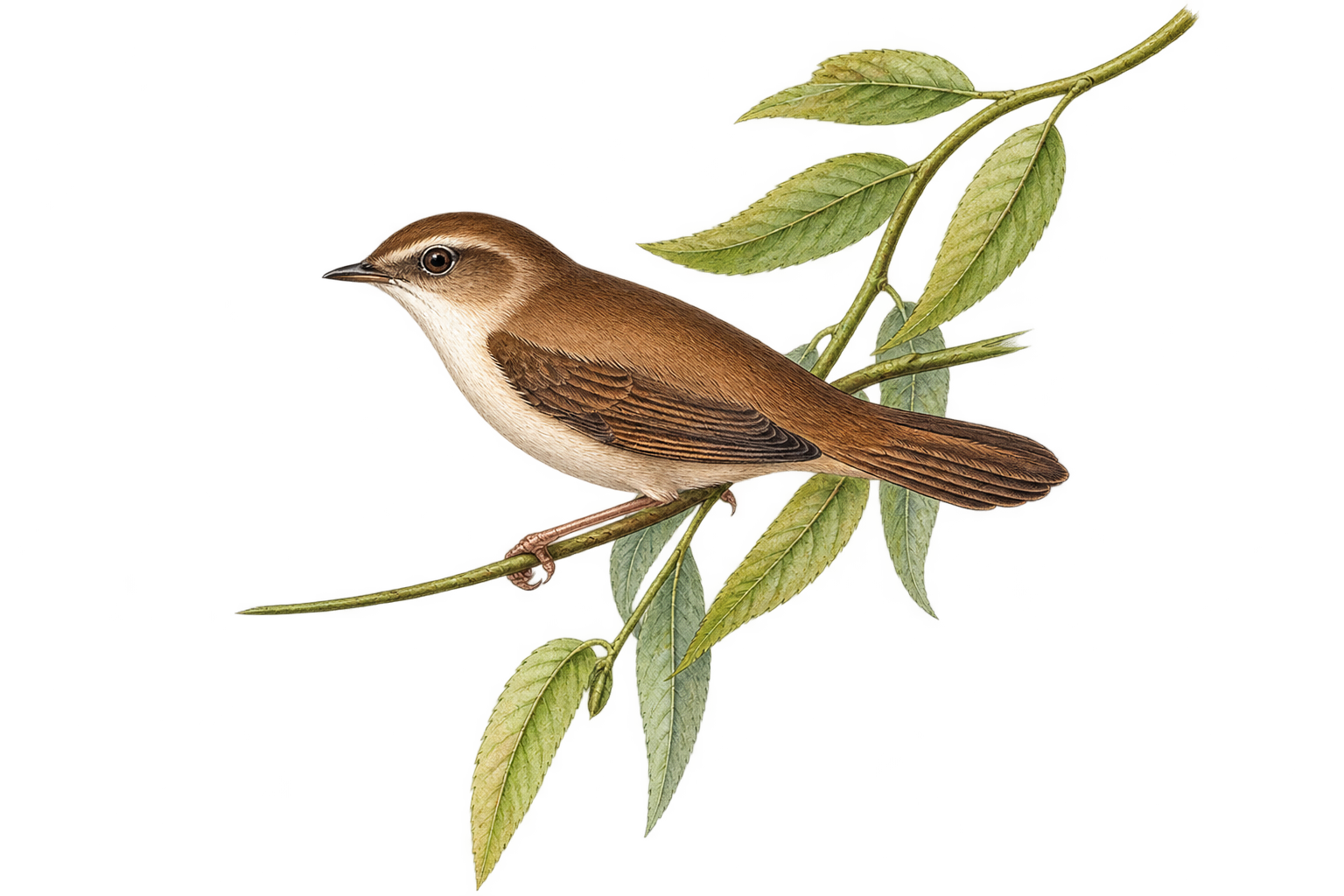
Higher winter temperatures have helped this wetland bird survive and spread north. Climate change benefits some species while harming others.
Source: BTO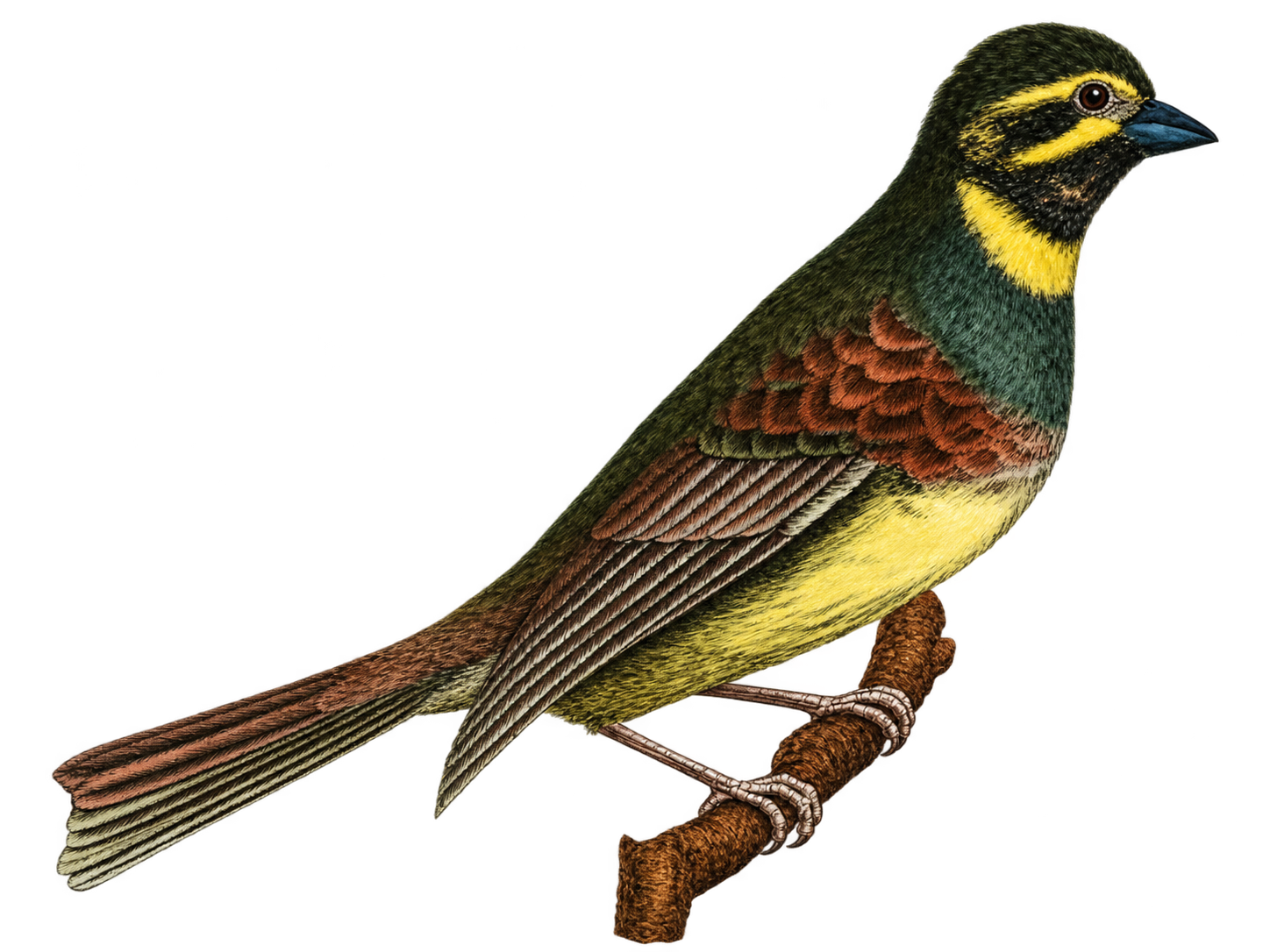
Targeted work with farmers restored seed-rich stubble, insect-rich grassland and nesting hedges. Its population has recovered, but remains vulnerable.
Source: BTOThe five categories follow Defra’s classifications, and starting years vary. The three featured increases cover different periods and cannot be compared directly. Illustrations: red kite — von Wrights’ Svenska Fåglar; Cetti’s warbler — John and Elizabeth Gould’s The Birds of Europe; cirl bunting — George Montagu’s Ornithological Dictionary.